



Prepared by: Dr Panagiotis Antoniou, A/Prof Dr Lee Yew Kong, Hafsa Mahbub
1. Background
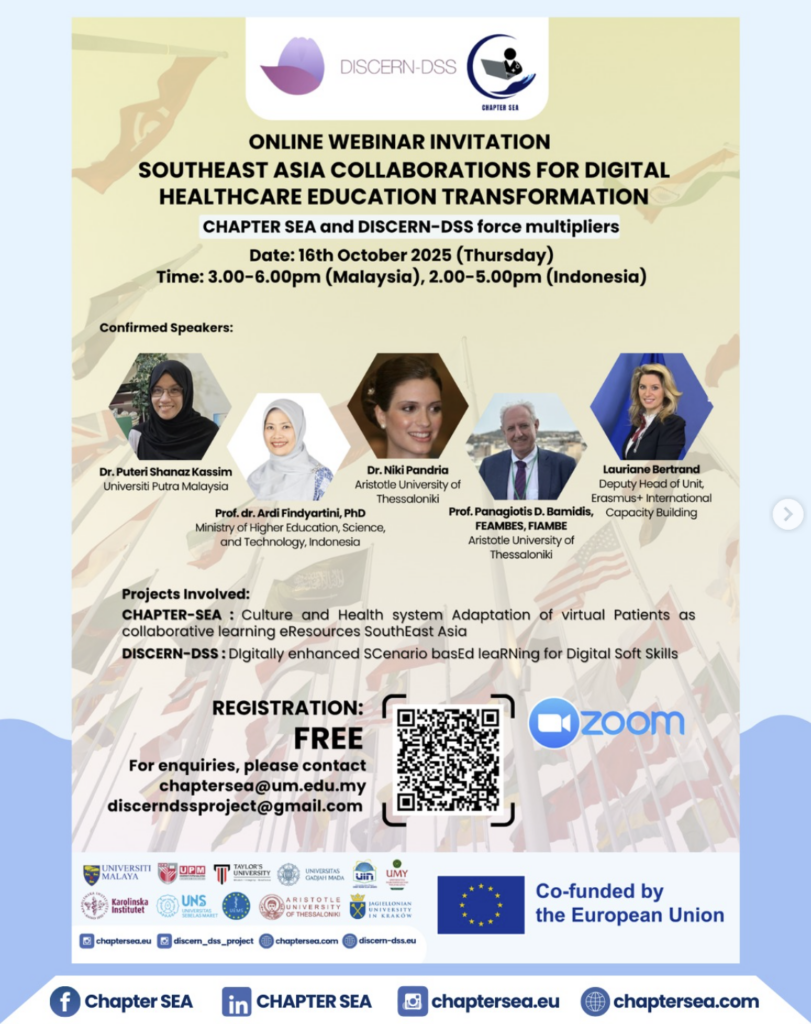
On 16/10/2025 the multiplier event titled “Southeast Asian Collaborations for Digital Healthcare Education Transformation” for two closely aligned EU projects in Southeast Asia took place.
CHAPTER SEA (Culture and Health system Adaptation of virtual Patients as collaborative learning eResources SouthEast Asia, Project Number: 101178356) and DISCERN-DSS (DIgitally enhanced SCenario basEd leaRNing for Digital Soft Skills, Project Number: 101179391) project teams held a multi-faceted event for proliferating their first results and building synergies for digital health in the SE Asia region. Both projects are capacity building Erasmus+ projects, funded by the European Union. They both aim to enhance digitalization of healthcare education in Malaysia and Indonesia respectively.
CHAPTER SEA (https://chaptersea.com) aims to enhance healthcare education in Malaysia and Indonesia by training five healthcare schools to adopt and implement virtual patient cases from Europe. Virtual patients are online cases used to improve clinical reasoning and decision-making skills. The project addresses challenges in using technology, especially in lower-middle-income countries, by providing guidance on selecting, adapting, and integrating digital tools into medical programs.
DISCERN-DSS (https://discern-dss.eu/), on the other hand aims to introduce digital scenario- based learning, virtual patients, for teaching digital soft skills to healthcare professionals in Indonesia. Skills such as ethical telemedicine, responsible use of digital tools such as AI and personal health record, are essential for digitally ready healthcare professionals. In that context, digital scenario-based learning in the form of interactive scenarios is essential for experiential teaching of such topics.
Both projects have shared goals in promoting the use of scenario-based digital health education in the Southeast Asian countries of Malaysia and Indonesia. In that context, the multiplier event that was organized had the aim to proliferate the first outcomes of these projects, reinforce their position as digital health force multipliers and new initiatives.
2. Program Flow
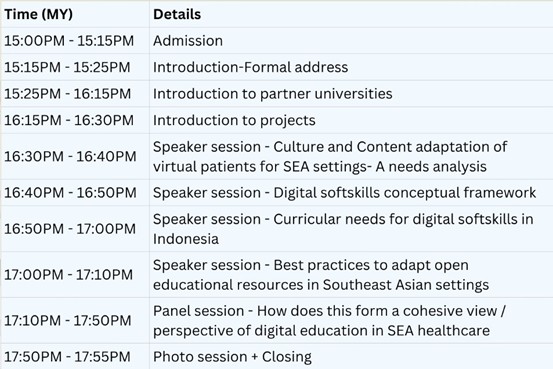
The following Table outlines the 3-hour online event program, with time slots in Malaysian time (GMT+8).
2.1 Formal address
The event kicked off with a formal address by Ms. Lauriane Bertrand, Deputy Head of Unit for Erasmus+ International Capacity Building, representing the European Union. Her opening remarks set the tone for the event, acknowledging the significance of international collaboration in advancing digital healthcare education and the European Union's commitment to supporting capacity-building initiatives in Southeast Asia.
2.2 Partner University Introductions
A segment of the program was dedicated to introductions from eleven partner universities. The European partners included:
• Aristotle University of Thessaloniki (Greece), represented by Prof. Panagiotis Bamidis
• Jagiellonian University (Poland), represented by Ms. Joanna Fafarek
• Karolinska Institutet (Sweden), represented by Ms. Natalia Stathakarou
• European Union of Medical Specialists (UEMS), represented by Ms. Isabelle Dumaine
The Southeast Asian partners comprised:
2.3 Project Overview Presentations
Two foundational presentations introduced the core projects driving this collaboration:
Dr. Panagiotis Antoniou presented DISCERN-DSS, bringing his extensive expertise as a senior research associate and Laboratory Reader in the Lab of Medical Physics and Digital Innovation at Aristotle University of Thessaloniki's School of Medicine. As Implementation Coordinator of DISCERN-DSS, Dr. Antoniou has substantial experience in technology- enhanced learning research projects for healthcare.
Assoc Prof Dr. Lee Yew Kong provided an overview of CHAPTER SEA. As Main Coordinator of the project and Associate Professor at the Department of Primary Care Medicine, University of Malaya, Dr. Lee leads several eLearning and eHealth initiatives, positioning him ideally to articulate the project's vision and objectives.
2.4 Featured Speaker Sessions
The program featured four specialized presentations addressing aspects of digital healthcare education in Southeast Asia:
2.4.1 Culture and Content Adaptation of Virtual Patients
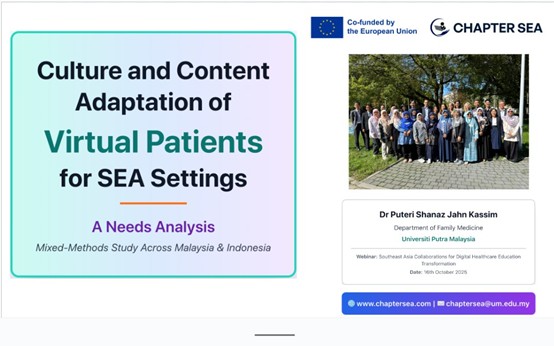
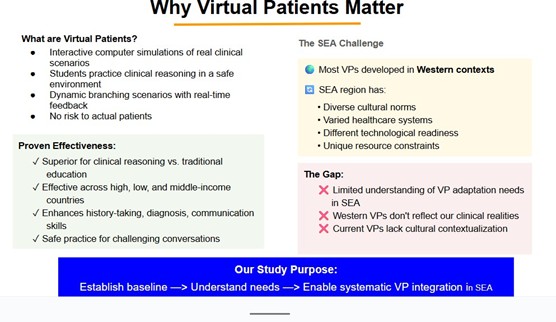
Dr. Puteri Shanaz Jahn Kassim from Universiti Putra Malaysia presented a needs analysis on culturally adapting virtual patients for Southeast Asian settings. Dr. Puteri Shanaz is a Family Medicine Specialist and Lecturer whose PhD research focused on digital behavior change interventions to promote physical activity among adolescents with overweight and obesity. Her work bridges research and education, with particular expertise in lifestyle medicine, behavior change, and evidence-based preventive care. Her presentation addressed the need of localizing virtual patient content to reflect regional medical education contexts and cultural nuances.
2.4.2 Digital Soft Skills Conceptual Framework
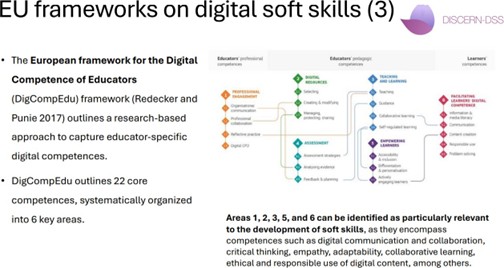
Dr. Niki Pandria from Aristotle University of Thessaloniki presented the conceptual framework for digital soft skills in healthcare education. Dr. Pandria brings a unique interdisciplinary background, holding a Medical Degree, B.Sc. in Mathematics, M.Sc. in Statistics and Modeling, and a Ph.D. in Computational Neuroscience focusing on biofeedback and neurofeedback. As a Postdoctoral Research Fellow at the Laboratory of Medical Physics and Digital Innovation, her research bridges neuroscience, biomedical engineering, and digital health.
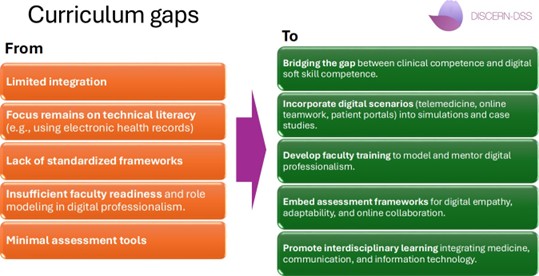
2.4.3 Curricular Needs for Digital Soft Skills in Indonesia
Dr. Amandha Boy Timor Randita from Universitas Sebelas Maret addressed the specific curricular requirements for integrating digital soft skills into Indonesian medical education. As a lecturer at the Faculty of Medicine, his research focuses on curriculum development, interprofessional collaboration, neuromuscular rehabilitation, pain management, and child growth and development. His presentation illuminated why digital soft skills technology is essential for Indonesian healthcare education.
2.4.4 Best Practices for Open Educational Resources
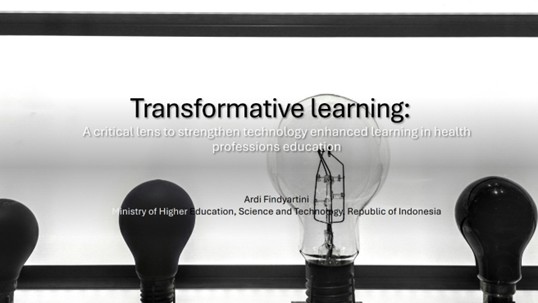
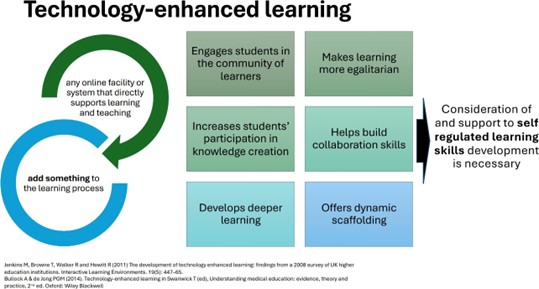
Prof. Dr. Ardi Findyartini, Director of Transformative Learning Strategies and System at the Directorate General of Science and Technology, Ministry of Higher Education, Science and Technology, Republic of Indonesia, delivered the final speaker session. In her influential governmental role, Prof. Ardi provided high-level strategic perspectives on adapting open educational resources for Southeast Asian contexts, illustrating innovative approaches to strengthen accessibility and implementation of open educational resources throughout the region.
2.5 Panel Discussion
The program's capstone was a 40-minute panel discussion exploring "What is the Vision of Digital Healthcare Education in Southeast Asia?" This session was co-facilitated by Assoc Prof Dr. Lee Yew Kong (CHAPTER SEA Main Coordinator), Universiti Malaya, and Dr.
Anastasia Rodina-Theocharaki (DISCERN-DSS EU Projects Manager), Aristotle University of Thessaloniki.
The panel featured four distinguished experts:
Professor Dr. Lee Ping Yein (CHAPTER SEA) - Professor of Family Medicine and Consultant Family Physician at University of Malaya. Prof. Lee has led multiple projects on reusable learning objects, virtual patients, and eHealth apps. She is founding institutional lead of the Asia Pacific Academic Primary Care Group Foundation and Chief Editor of the Malaysian Family Physician Journal.
Dr. Lutfan Lazuardi, M.Kes, Ph.D (DISCERN-DSS - UGM) - Head of the Department of Health Policy and Management at Universitas Gadjah Mada. His expertise spans digital health transformation, health information systems, and policy innovation, having led national and international projects on digital health interoperability and curriculum development.
Dr. Sri Sundari, M.Kes (DISCERN-DSS - UMY) - Holds a Doctor of Medicine degree, Master of Health degree, and Doctorate in Medicine from Gadjah Mada University. Dr. Sundari is a certified primary care physician and certified professional lecturer by the Ministry of Education, Culture, Research, and Technology of Indonesia.
Dr. Fika Ekayanti, MD (CHAPTER SEA) - Senior Lecturer and Vice Dean of Academic Affairs at Syarif Hidayatullah State Islamic University Jakarta. Dr. Ekayanti has managed medical education projects related to curriculum modification and bioethics, and led her medical faculty's accreditation with distinguished results.
The discussion addressed questions affecting the future of digital health education in the region:
• Are there any regional collaborations or cross-border initiatives currently shaping digital health education in SEA?
• Are ERASMUS collaborations scalable and what is their position in relation to SEA digital health education transformation?
• How can SEA universities collectively address disparities in digital infrastructure and access?
• How do we ensure digital healthcare education reaches rural and underserved communities?
• What strategies are being used to support students with limited digital literacy or access?
• How do we ensure digital education doesn't compromise hands-on clinical training?
The interactive format encouraged speakers to give their take on digital health, fostering engagement between the expert panel.
3. Program result
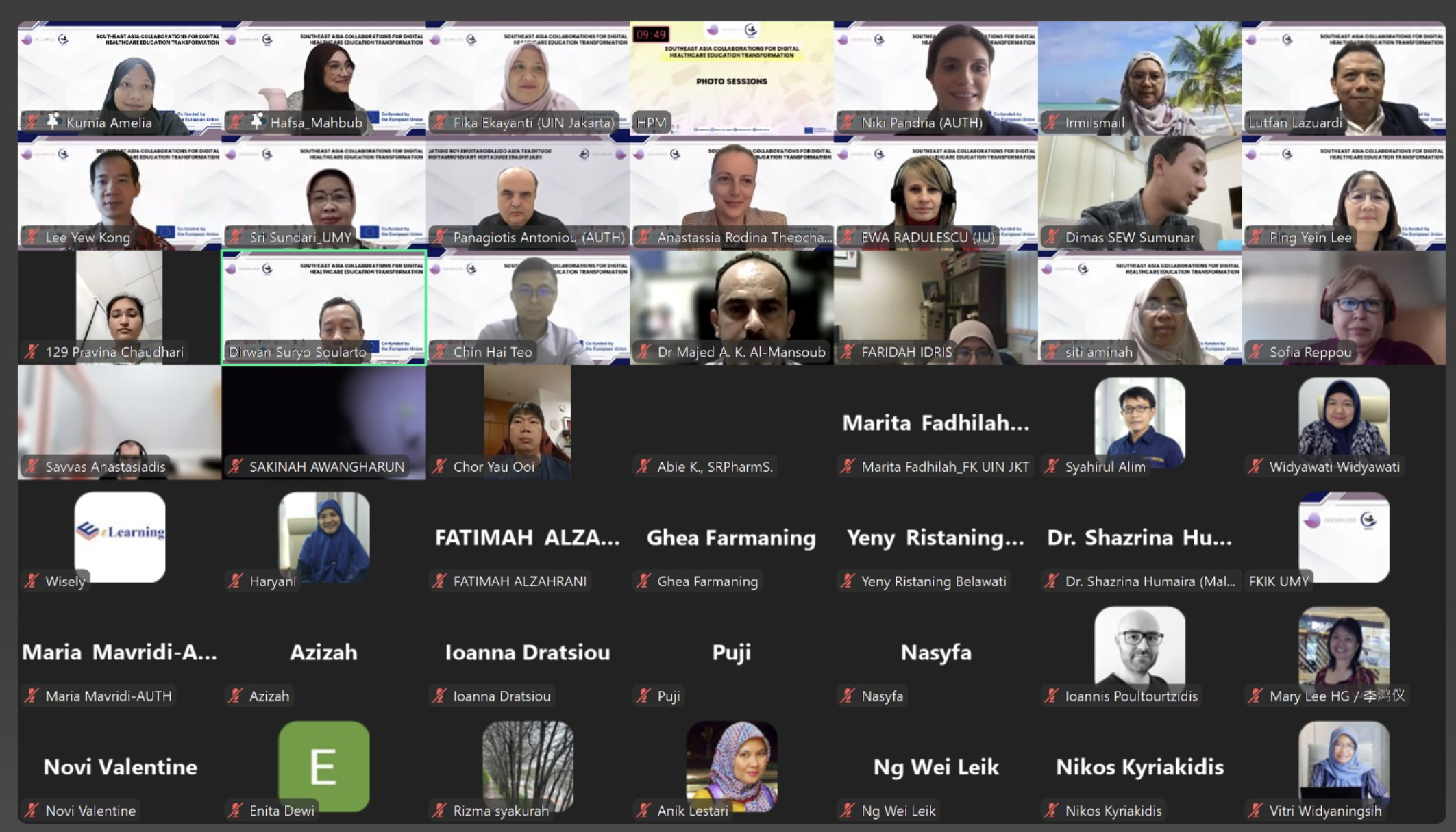
The event attracted a total of 222 participants who registered for the event.
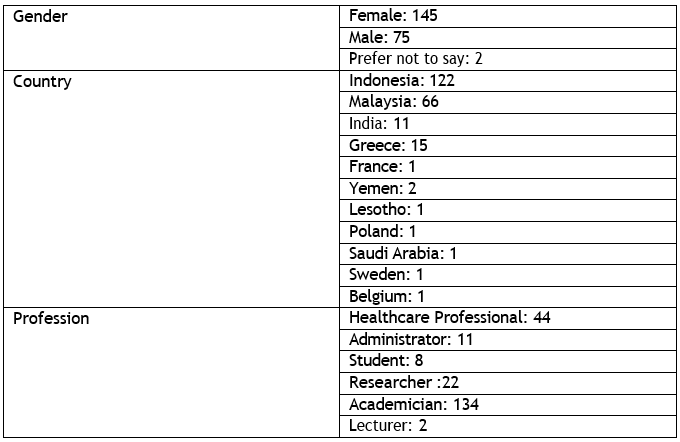
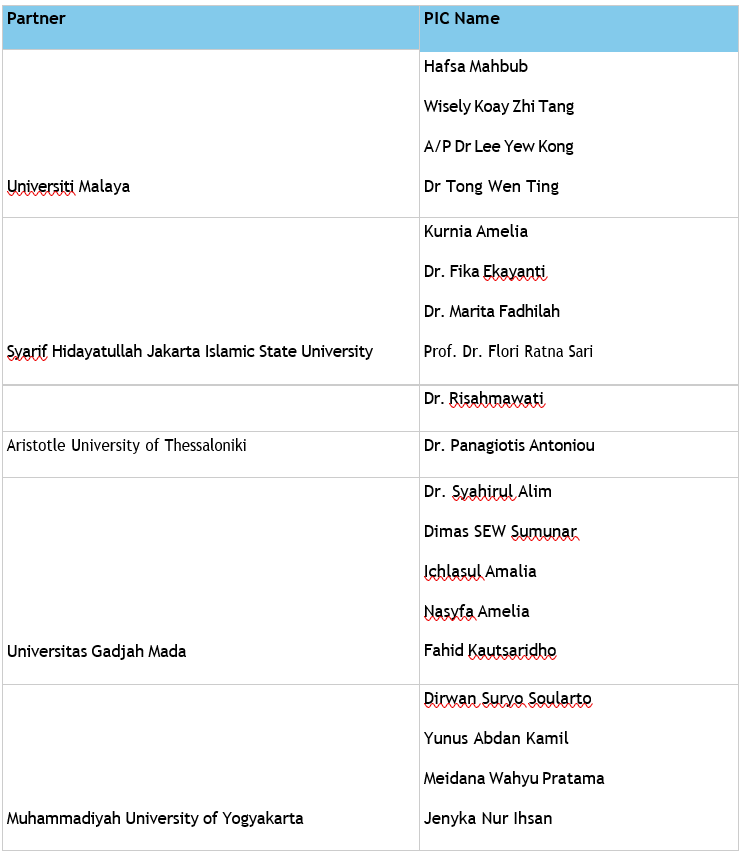
The event was coordinated by 14 volunteer committee members from both projects and from 5 different institutions.
4. Conclusion
In conclusion, the event demonstrated the untapped potential for regional collaboration in the sector of digital health education. From the event’s discussions it became clear that both DICERN-DSS and CHAPTER SEA can become the initial triggers for a cascade of future endeavors for digital health training in the region. New, disruptive technologies such as Virtual and Augmented Reality (VR/AR), Artificial Intelligence (AI) are quickly coming in the mainstream of healthcare sector. Training and exposure to these newer technologies underpinned by use of established pedagogical frameworks and implementation protocols facilitate a more robust application of these technologies in the region. By mainstreaming pedagogical innovations such as scenario-based learning it is expected that a virtuous cascade of digital health innovations will transform the landscape of tertiary healthcare education in the SE Asia region.